
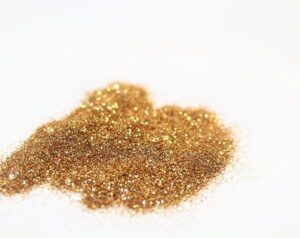
High quality gold dust from local gold miners in Africa
High quality Gold dust has always captivated the human imagination, wealth, power and beauty. Specifically, these tiny gold dust are typically found in river beds, mines and even in the air after volcanic eruptions. Besides there small size gold dusts plays a significant role in history, economic, during political instabilities and modern technology.
Choosing to buy high quality gold dust from local gold miners in Africa is one of the great way to buy high quality gold dust at the most Affordable prices. Through working with genuine gold dealers, you can safely buy high quality gold dust from Africa
These high quality gold dust can be got from the mining sites and the refining sites in Africa. These high quality gold dust appear as fine gold dust, alluvial gold flakes, premium gold powder, decorative gold flakes, and bulk gold dust
To buy high quality gold dust from local gold miners you need to work with regulated gold traders who are able to connect you to local gold miners who offer high quality gold dust at affordable prices. These gold dust
What is meant by high quality gold dust?
High quality gold dust refers to the fine particles or powder-like fragments of gold that occur naturally or as by product of gold mining. Specifically, are often found in alluvial deposits, carried by the flow of rivers and streams over centuries. Unlike gold nuggets that are larger and more easily identifiable, gold dusts require careful extraction and refining.
Why buy high quality gold dust in Africa
The following are the benefit s for buying high quality gold dust in Africa
Various types gold dust: Choosing to buy these high quality gold dust in Africa, you can access various types of gold dust like the alluvial gold dust, fine gold dust, decorative gold flakes , bulk gold dust and others.
Abundant gold sources: The continent has got a number of sources were buyers can buy gold dust from, these work as a great options
Offer Variety: Most of the dealers specialize in unique or artisan gold products. They offer different gold dust fineness on different levels and origins
Investment diversification: Some buyers like holding physical gold dust as one of there diversified precious metals
Maintains values: Gold dust from Africa maintains its high quality even when sold to other global markets hence maintaining its value.
Uses of high quality Gold Dust
Today, gold dust is far more than just a decorative element. Its uniqueness extends across multiple fields
Finance :Some collectors and investors buy gold as an alternative investment to bullion and coins.
Technology: Dues to excellent conductivity, gold dust is used in electronics particularly in circuit boards and connectors
Cosmetics-Some Beauty brands use gold dust for its shimmering effect and alleged skin beauty properties.
Jewelry and Art: Gold dust is often melted down to create fine jewelry or used in gilding to enhance artwork and sculptures
Medicine; Gold non-particles extracted from gold used play a vital role in cancer treatments and advanced medical imaging.

Sources and formation
Gold dust form via natural erosion of gold-bearing rocks and veins over thousand of years. The common sources include
Riverbeds and streams: Water erodes rock formations, releasing gold particles that settle in riverbeds.
Volcanic Activity: Some volcanic eruption release gold dust into the atmosphere, which eventually settles to the earth’s surface.
Mining operations: Also gold dust can be a byproduct of crushing and processing gold ores in mines
The value of Gold Dust
Above all, the worth of gold dust bases on its purity and weight. Since it is often found mixed with other minerals, refining is necessary to extract pure gold. Prices vary basing on global market trends making gold dust both valuable commodity and sought after collector’s item.
Extracting and Refining Gold dust
In other words, processing gold dust requires specialized techniques to separate it from the impurities. Precisely the traditional methods include panning.
Additionally, panning is where water is used to wash away lighter sediments, leaving behind gold particles. More advanced techniques involve chemical and mechanical refining to achieve higher purity levels
Conclusion
In summery, high quality gold dust continues as a symbol of fortune and wonder, captivating prospectors, scientist and artisan alike. Whether adorning jewelry, powering technological advancement or preserving historical significance.
This natural treasure remains shines across different industries. The next time you see a shimmering speck in a riverbed or dazzling cosmetic product, remember you might just be looking at a tiny fragment of earth’s coveted metal
FAQs
1 How can gold dust be extracted into pure gold?
Separation: Remove larger debris using water (gravity separation)
Amalgamation or chemical methods: Historically mercury was used (now discouraged due to toxicity)
Smelting: Heating gold dust with flux (like borax) to separate impurities
Refining: Advanced methods like electrolysis or chemical refining (e.g., aqua regia) produce high-purity gold
2 How do prospectors find gold dust?
Prospectors use several methods:
Panning: Swirling sediment in water so lighter material washes away, leaving heavier gold behind
Sluicing: Using a channel with riffles to trap gold particles
Metal detectors: Helpful in dry areas
Sampling and geological surveys: Studying rock formations and soil
Following “placer deposits”: Areas where gold has accumulated due to water movement
3 Where can gold dust be found?
Gold dust is commonly found in:
Riverbeds and streams (especially in areas with historical gold deposits)
Alluvial deposits (sediments left by flowing water)
Desert regions (in dry stream beds)
Regions with known gold activity like parts of Africa, Australia, North America, and Asia