
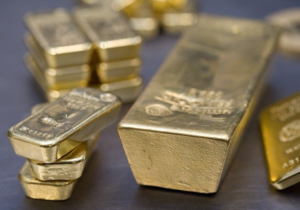
Types of Gold Bullion: Bars, Coins & Differences explained
Types of gold bullion from Africa | Bars, Coins & differences explained . If you’re an investors seeking to buy gold bullions from, its important to understand different types of gold bullion from Africa. For the best way to buy these gold bullions from Africa you have to work with a reputable and a regulated gold trader as they offer real time prices
As choosing to understand the types of gold bullion from Africa, its also important to know the sources as there various gold sources or major countries and these include South Africa, Mali, Uganda, Ghana, and others. These countries have played a significant role in supplying gold from Africa
Besides the types of gold bullion, the also appear in various gold sizes as these sizes range from 1gram to 1kgs and above. Most of the investors can invest in various gold sizes depending on there budget
Along side the gold bullions, that appear more large, we also sell the small sized gold bars, gold nuggets and gold dust. All these gold products are accompanied by legal documents of assay reports and certificate of origin as these ensure the authenticity of the seller
As a regulated gold and copper trading company, Jesa Minerals works closely with regulated gold miners in various African countries.
Types of gold bullion from Africa
There various types of gold bullion from Africa and these include the following.
Refined gold bullion bars: They are referred as fully refined gold bullions with 99.9% of gold content. These can work as long time investment bars. These are suitable for gold investment
Raw gold bullion bars: These are newly refined bullion that hasn’t been made into finished products beyond bars, these are not yet standard gold bullion bars
Semi gold bullions: Referred to as Dore gold bars that contain 99.5% of gold content. These can be fully refined into high quality gold bullions
Minted gold coins; They are gold coins that are manufactured by ab official mint or private mint to precise standards of weight, purity and design. They can also be used as investment
The types of gold bullion are accompanied by legal documents of certificate of origin and assay reports
Fundamental differences between bullion bars and Coins
Manufacturing Premiums: The gold bars are usually simpler to produce, which mean you pay less over the spot price unit. While coins requires intricate minting plus a detailed design as they result into higher premiums
Legal status and origin; For the bars are basically manufactured by private or commercial mints or refineries. While coins are recognized as legal tender
Liquidity & flexibility: The coins are much easier to sell partially if you need quick cash and as for the bars, they come in larger weights which can make them harder to sell
Quick analysis
| Feature | Gold bullion bars | Gold coins |
| Form | Rectangular blocks | Round coins |
| Premium | Lower | Higher |
| Liquidity | Better for large transactions | Easier for small trades |
| Design | Plain | Detailed & decorative |
| Issuer | Private refineries | Government Mints |
| Investment use | Bulk investment | Flexible investment & collecting |
African countries to buy the types of gold bullion
There are various gold countries that sell gold, but the following are the best gold bullion suppliers
South Africa: The country is known for being well established with a number developed gold refineries like the Rand gold refinery. Its one of the major bullion suppliers on a global market
Ghana: Its referred to as the gold coast with a number of developed refineries. Its also one of the major gold bullions in Africa
Congo: The country is referred to us a mineral country as it produces different gold types like gold bars and coins, however be care full with conflicted gold or smuggled gold bullions
Uganda: This a fast growing gold country in Africa with a number of established gold refineries like the Simba gold refinery and African gold refinery

What to consider when buying types of gold bullion
There are various factors to consider and these factors include the following
Gold Purity: Understand the purity level of the gold before purchasing. Gold is available in different purities, typically ranging from 22 karats to 24 karats. 24k gold is the purest form, containing about 99.9% gold, and is usually the most expensive.
Taxes and Duties: Be aware of the applicable taxes and duties involved in gold trading. Tax requirements vary across African countries and may include VAT and other government-imposed charges.
Investment Purpose: Define your investment goal before buying gold. If you are planning to hold gold for the long term, it is advisable to invest in highly refined gold bars for better value and stability.
Gold Pricing: Always research current market gold prices and compare them with the seller’s rates. Reliable and reputable sellers provide real-time pricing to ensure transparency and fair transactions.
Weight and Size: Gold prices depend on both the weight and the form of the product. Gold is available in a wide range of sizes, from small 1-gram pieces to large 1-kilogram bars, and larger quantities generally come at a higher cost.
Seller Authenticity: When planning to buy gold from Africa, ensure you are dealing with reputable and fully registered gold traders. To verify their legitimacy, request official documents such as export permits and other relevant licenses.
Exchange Rate Fluctuations: Since gold is traded internationally in US dollars, changes in the dollar’s value can influence gold prices in African markets. When the dollar strengthens or weakens, local gold prices tend to adjust accordingly.
Why buy these types of gold bullion from Africa
High-Quality Gold: African gold bullion for sale is known for its high quality. The gold maintains excellent purity levels, making it highly marketable and easy to resell.
Competitive Prices: Gold from Africa is often more affordable compared to international markets in regions such as Europe, Asia, and North America, offering buyers better value.
Abundant Gold Sources: Africa is rich in natural resources, with many countries hosting significant gold deposits across different regions, supported by the presence of established refineries.
Improved Regulations: Several countries, including Ghana and South Africa, have strengthened their gold trading regulations. Foreign buyers are typically required to purchase gold through licensed and regulated dealers, ensuring safer transactions.
Access to Local Miners: Buying African gold bullion provides opportunities to source directly from local miners, who often offer gold at more competitive prices.
In Conclusion
To understand the types of gold bullion is very important as it gives direction to which type of gold bullion to buy. Besides understanding various types, also look out for regulated gold sellers as they should be transparent in there transactions. Therefore as an international gold investor look out for reliable and regulated gold seller who do not only sell gold but also provide advise on how to invest. Contact a gold expert today
FAQs
1 What are gold dore bars?
Gold Dore bars are semi-pure gold bars that have not yet been fully refined. They usually contain a mix of gold and other metals and are typically refined further before reaching the market.
2 Which type of gold bullion is best for investment?
The best type depends on your goals. Gold bars are ideal for large-scale investments due to lower premiums, while gold coins are better for flexibility and easier resale.
3 Can I buy gold bullion in different forms from Africa?
Yes, African markets offer a variety of gold bullion types, including refined gold bars, dore bars, nuggets, and gold dust, often at competitive prices compared to global markets.